
Return to blog
Understand better
Earthquake Insurance: An Underestimated Risk in Quebec
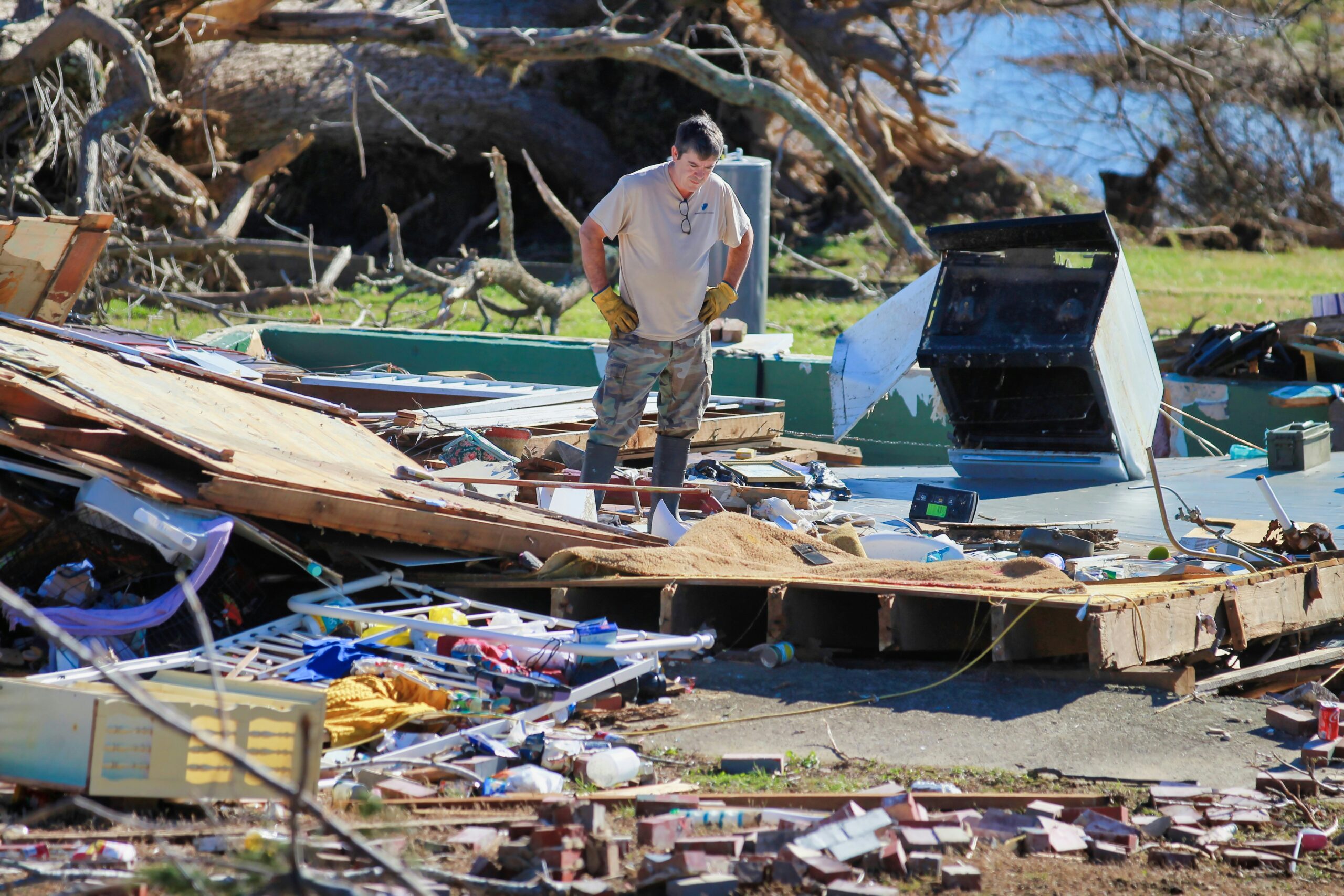
Imagine your home cracked from foundation to roof, with repair costs reaching six figures… and no insurance coverage. This scenario could become reality faster than you think. Quebec is one of the most seismically active regions in Canada, and most homeowners are completely unaware of it. This isn’t just about walls — your financial stability is at stake.
Is Quebec Really Safe from Earthquakes?
The answer might surprise you: no. Each year, Quebec records approximately 450 seismic tremors, according to Natural Resources Canada. Most go unnoticed, but some are strong enough to crack foundations, damage structures, and cause costly losses.
The areas most at risk? The St. Lawrence Valley, Charlevoix, and the Ottawa Valley. This is not a distant threat, these tremors can affect your home, your neighborhood… your life.
Montreal, Richelieu, and Exposed Urban Areas
Densely populated urban centers are not immune. Montreal and the Richelieu Valley are located within the Western Quebec seismic zone.
What makes these areas particularly vulnerable is the soil composition: soft ground near the river amplifies seismic waves and weakens foundations, turning even a moderate earthquake into a serious threat to your assets.
The St. Lawrence Valley and Charlevoix: High-Risk Areas
Located about 100 kilometers downstream from Quebec City, the Charlevoix seismic zone is the most active in Eastern Canada, with over 200 earthquakes per year.
This region has experienced six major earthquakes since 1663, some reaching a magnitude of 7 on the Richter scale. Experts estimate a 5% to 15% probability of a significant earthquake occurring within the next 50 years.
What Could an Earthquake Really Cost Your Home?
An earthquake makes no compromises when it comes to your property. Damage can range from major foundation cracks to partial collapse of your home. Repair costs can quickly climb into the tens or even hundreds of thousands of dollars.
Ground shaking can also cause pipe ruptures, weaken your home’s structure, and create additional hazards such as post-earthquake fires or landslides in vulnerable areas.
Being prepared means protecting not only your home, but also your peace of mind.
| Type of damage | Estimated Costs |
|---|---|
| Foundation cracks | $20,000 – $80,000 |
| Major structural damage | $100,000+ |
| Temporary relocation | $5,000 – $15,000 |
These numbers aren’t meant to scare you, they’re meant to inform you. A rare earthquake is not an impossible one.
Does Your Home Insurance Cover Earthquakes?
Here’s a truth that surprises many homeowners: standard home insurance does not cover earthquakes.
It’s a common misconception. According to the Insurance Bureau of Canada, 38% of Quebecers mistakenly believe they are protected against this risk, while in reality, only 7% have appropriate coverage.
The Autorité des marchés financiers (AMF) confirms that damage caused by natural disasters, including earthquakes, is not automatically included in home insurance policies. To be covered, you must add a specific endorsement to your existing policy.
This endorsement upgrades your basic protection to comprehensive coverage that includes earthquake damage: structure, contents, and even temporary living expenses if needed.
How Does Earthquake Insurance Work?
What the Earthquake Endorsement Covers
Earthquake coverage protects your assets on three essential fronts:
- The building structure: foundations, load-bearing walls, framing, and roof
- Personal belongings: appliances, furniture, and electronics
- Additional living expenses if you need to relocate temporarily during repairs
Let’s be transparent: land itself, swimming pools, outdoor structures, and damage caused by landslides are typically excluded.
| Covered | Not covered |
|---|---|
| Building structure (foundations, walls, roof) | Land and excavation |
| Personal property and contents | Outdoor pools and spas |
| Temporary relocation expenses | Exterior structures (sheds, fences) |
Cost and Deductible
The deductible for earthquake coverage is higher than for other types of insurance, typically between 5% and 20% of your home’s insured value.
For a home insured at $400,000, that means a deductible ranging from $20,000 to $80,000. This is standard for catastrophe insurance.
The good news? The monthly cost remains relatively affordable: between $30 and $100 per month for most Quebec homeowners.
It’s a small price compared to the significant risk you’re transferring to your insurer.
Should You Get Earthquake Insurance?
The answer is yes, especially if you own a home in Quebec.
Rare does not mean impossible, and the financial consequences are far too severe to ignore.
The Insurance Bureau of Canada is actively working with governments to raise awareness about this underestimated risk. Why? Because Canadians tend to believe it only happens elsewhere.
Yet, in some areas, particularly along the St. Lawrence River, Quebec’s seismic risk is comparable to that of British Columbia.
This is about protecting your assets, not making an unnecessary expense. You don’t need to believe it will happen, you just need to be prepared.
Take the time to review your current coverage and speak with your broker. It’s the smart decision.


Contact us