
Return to blog
Understand better
BBQ Safety: Tips to Prevent Fire Hazards
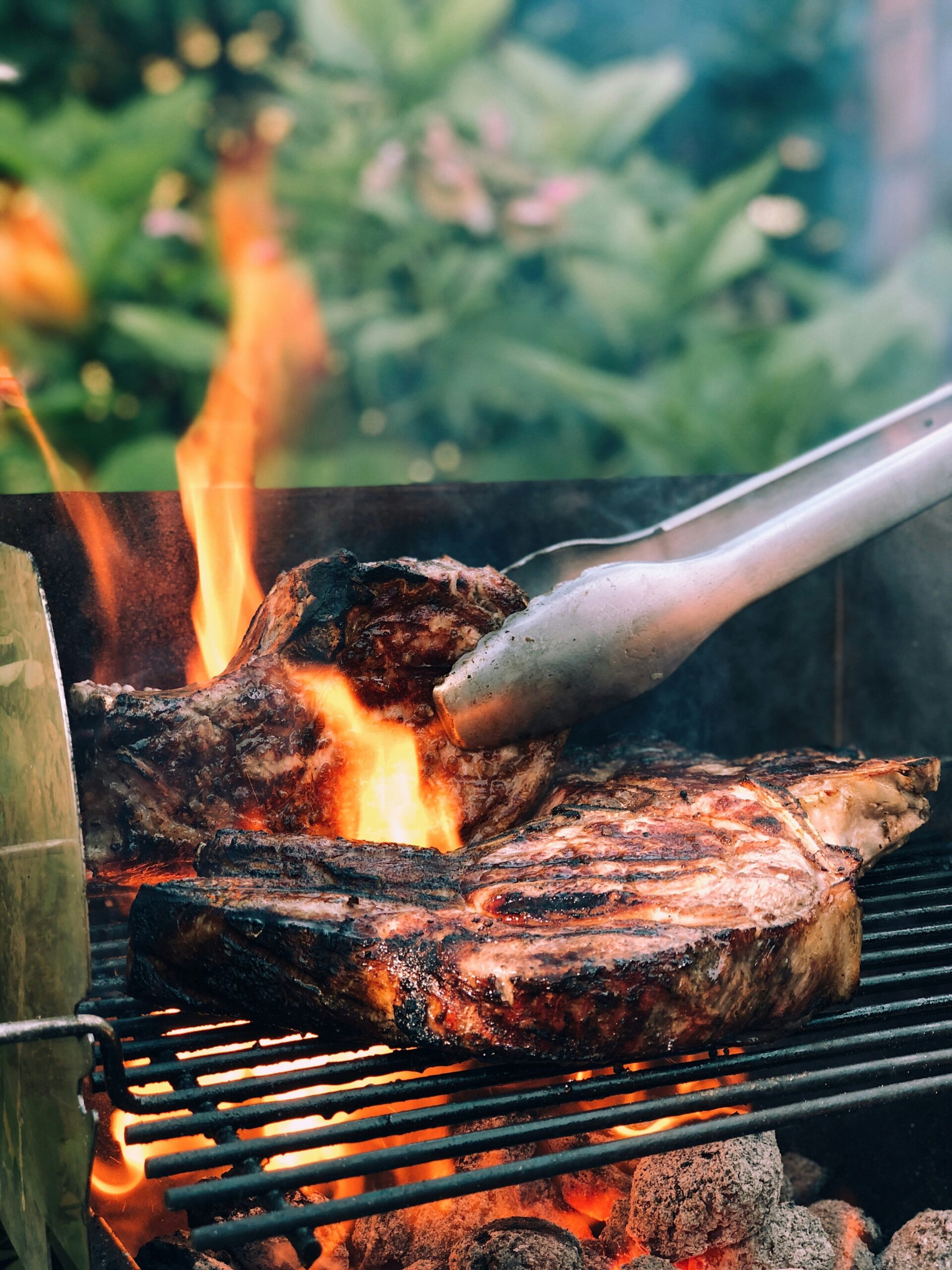
The return of lovely weather in Quebec pairs perfectly with open‑air dining and outdoor grilling with friends. Nevertheless, this convivial moment can quickly turn into a fire incident if proper precautions are neglected. Whether poorly maintained or used incorrectly, a barbecue can pose a real fire risk for you and your loved ones. In this guide, you will find essential security tips, municipal regulations to follow, and must know emergency measures so you can enjoy the summer season with peace of mind.
Why can a barbecue pose a fire hazard?
Grills are safe when used properly; however, several factors can quickly turn a peaceful moment into a dangerous one. Propane leaks are among the most frequent causes of incidents. Accumulated gas poses an explosion risk, hence the importance of regularly checking your connections and hose.
Grease buildup on the grate and in the drip tray poses a serious danger. These residues can catch fire during cooking and cause a fire that is difficult to contain. That is why regular cleaning is imperative after each use.
Poor practices increase these risks. Placing your grill too close to flammable materials such as patio furniture, curtains, or vegetation, or leaving it unsupervised while cooking, multiplies the likelihood of incidents occurring.
A striking fact: The Montreal Fire Department has observed an increase in fires related to charcoal and pellet barbecues. This trend highlights the need for all Canadians to remain vigilant to safely enjoy their barbecues.
8 safety tips to enjoy your BBQ with peace of mind
Adopting a few simple practices will help you significantly reduce the risk of fire and fully enjoy your outdoor meals. Here are eight essential tips to follow:
- Place your grill on a solid and stable surface
Always position your grill on a solid, flat, and stable surface. Avoid walkways where individuals may inadvertently bump into the grill. A firmly anchored barbecue reduces the risk of tip overs and accidents.
- Respect the minimum distance of 3 metres from the house
This fundamental rule protects your household from catching fire. Keep at least 3 metres between your barbecue and any structure, including walls, awnings, and gutters.
- Clear away all combustible materials
Make sure there are no combustible materials nearby: patio furniture, curtains, vegetation, tree branches, or wooden fences. These items can rapidly catch fire when exposed to a heat source.
- Check and maintain burners and gas lines
At the start of each summer season, carefully inspect the burners and gas lines. Inspect them for signs of wear or damage that could cause a gas leak or malfunction.
- Clean the grate and drip tray regularly
Accumulated grease represents a major fire hazard. Clean your grate after each use while it is still hot and empty the drip tray regularly to prevent residue from catching fire.
- Keep children and pets well away from the cooking area
Create a safety zone around your barbecue. Children and pets should stay at a safe distance from the grill to prevent burns and accidents.
- Never leave a lit barbecue unattended
Never leave your grill unattended while in use. A moment of inattention is all it takes for a situation to become dangerous. If you need to step away, turn off the grill.
- Keep a fire extinguisher within reach
Always keep a fire extinguisher accessible near your outdoor area. In an emergency, every second counts. Check regularly to make sure your fire extinguisher is functioning properly.
What distance should be maintained between one’s BBQ and house?
The Government of Canada recommends maintaining a minimum distance of 3 metres between your barbecue and your home, any structure, or any overhang. This rule applies to both propane and natural gas appliances.
This safety distance also applies to fences, sheds, and any other items that could catch fire. Be sure to account for tree branches, awnings, and gutters that overhang the area where you are setting up your heat source.
BBQ on a balcony: what you need to know before setting up your grill
Many condominium regulations prohibit the use of barbecues on balconies for very specific safety reasons. Confined spaces pose a real danger: the immediate proximity to combustible materials (patio furniture, curtains, wall coverings), combined with insufficient ventilation, considerably increases the risk of fire and carbon monoxide poisoning.
Some condominiums allow only electric barbecues, which generate less smoke and pose a lower fire risk. Gas barbecues, although popular, require the storage of a propane tank—a concern for many condominium associations.
Before setting up your grill, take the time to check your condominium declaration and the building’s regulations. Even if the lid is closed and you take every precaution, an unauthorized grill could result in financial and legal consequences.
BBQ regulations in Montreal: what you need to know
In Montreal, the use of barbecues is governed by the Fire Prevention By-law. Charcoal and gas barbecues are permitted on concrete balconies, provided that minimum distances are respected.
You must maintain a distance of at least 18 inches from any combustible material and 24 inches from doors and windows. The Montreal Fire Department specifically regulates the use of charcoal barbecues, which must be placed on non-combustible surfaces.
Municipal regulations are subject to change: visit the City of Montreal’s website to learn about the current requirements in your neighbourhood.
BBQ Regulations in Quebec City: what you need to know
In Quebec City, the use of residential barbecues is regulated by important safety rules. Whether you use a propane, natural gas, or charcoal barbecue, you must ensure that your equipment is in good working order and that you follow safety guidelines.
The city recommends inspecting your barbecue at least once a year, particularly if used year-round. In particular, check the connections and hose to avoid leaks, and make sure the gas cylinder is properly connected. Before turning on the barbecue, always make sure the burners are turned off and the lid is open.
Municipal regulations are subject to change. We therefore invite you to visit the City of Quebec’s official website to learn about the specific requirements for your neighbourhood and to ensure that you comply with all current standards.
How to detect a propane leak on your barbecue?
The soapy water test is your best friend when it comes to checking the tightness of your setup. Prepare a solution of equal parts water and dish soap, then apply it generously to all connections, the hose, and connections on the cylinder. Next, open the valve on the propane tank. If bubbles form, you have a gas leak.
There are several signs that may alert you to a propane leak. The distinctive smell of rotten eggs is the most obvious indicator: suppliers add this odorizing agent to propane to facilitate detection. You may also hear a whistling sound near the tank or the connections or notice an irregular flame while cooking.
When detecting a leak, immediately shut off the propane tank and clear everyone from the area. Never attempt to ignite a flame to check for a leak; instead, contact a qualified technician.
What to do if a fire breaks out on your grill?
A fire on the barbecue can break out quickly. The first thing to do, if safety permits, is to immediately shut off the propane tank to cut off the gas supply. Never try to move propane tanks while a flame is active, as doing so may aggravate the situation and cause an explosion.
For a small, manageable fire, you can use an appropriate fire extinguisher. However, if the fire grows or you don’t feel safe, call 911 without hesitation. Evacuate the area and stay away from the barbecue until emergency services arrive.
| Actions to Take | Actions to Avoid |
| Turn off the propane tank if safe to do so | Move the propane tanks while the fire is burning |
| Use a fire extinguisher on a small fire | Attempt to extinguish with water |
| Call 911 if the fire intensifies. | Stay close to the blazing barbecue |
Does home insurance cover damage caused by a barbecue fire?
In most cases, yes. Damage caused by a barbecue fire is generally covered by your home insurance, whether it be your property or your neighbour’s.
Nevertheless, coverage depends on the protections and exclusions specified in your policy. For example, severe negligence could affect your compensation in certain situations. It is therefore essential to review the specific terms of your insurance policy.
Should you have any questions or would like to confirm the scope of your coverage, feel free to contact your insurance broker. A protective cover for your barbecue can also help prevent certain types of damage when it is not in use.
Enjoy the barbecue season with complete serenity
With a few simple measures and good safety habits, you can fully enjoy the summer season while reducing the risk of fire. Feel free to share these safety tips with your family and neighbours. Take the time to verify your municipality’s regulations and your home insurance policy to ensure you’re well protected throughout the summer.
BBQ Safety FAQs
Why does one have to turn off the propane tank after each use of the grill?
Closing the tank after each use prevents accidental gas leaks and significantly reduces the risk of an explosion. The correct procedure is to first close the valve on the propane tank, then turn off the burner knobs, to ensure that no propane remains in the hose.
What are the safety rules for a charcoal barbecue?
To use a charcoal grill safely, always start with an approved fire starter and strictly avoid adding a fire accelerant to hot coals, as this can cause a sudden flare-up. After use, place the ashes in a metal container with a raised bottom and a lid, and set it on a non-combustible surface for a minimum of seven days before disposing of them. Always keep a fire extinguisher within reach while grilling.


Contact us